
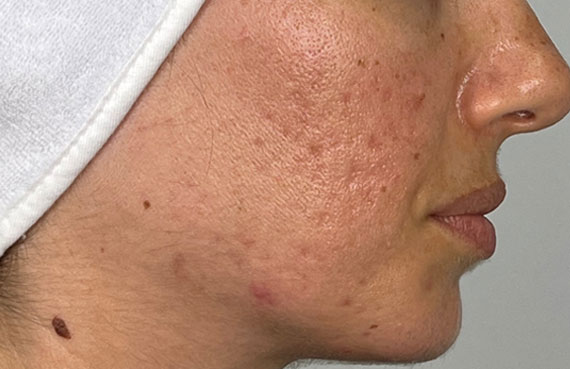
If you’re considering adding a radiofrequency microneedling device to your clinics, you’ll
have seen plenty of marketing claims. What you actually need is proof: does it work, is it
safe, and will your clients see results worth paying for?
A 2025 study published in Boletín SELMQ put the Indiba Reverso, a deep fractional RF
microneedling device, through exactly that test. Instead of relying on photos or opinions,
researchers used precise measuring tools to track real changes in the skin across eight
common patient concerns. Here's what clinic owners and aesthetic practitioners need to
know before investing in a skin rejuvenation device.
How Microneedling Works, In Plain Terms
Radiofrequency microneedling devices like Indiba Reverso use very fine needles to deliver
heat energy directly into the skin. This does two things at once:
It creates tiny, controlled channels in the skin. These prompt the skin to heal itself,
replacing damaged tissue with fresh, new skin cells.
It heats the surrounding tissue just enough to trigger repair. This kicks off the body's
natural production of collagen and elastin, the proteins responsible for firm, smooth,
youthful-looking skin.
A gentler layer of heat also tightens existing collagen in the skin immediately, which is why
some clients notice some tightening straight after treatment with RF microneedling, even
before the deeper regeneration takes effect over the following weeks.
Because this approach creates channels rather than causing broader damage, there’s less
bleeding, healing is faster, and the risk of infection is very low, key considerations for any
practitioner evaluating a skin rejuvenation device for daily clinical use.
The Study
Researchers followed 96 patients, split into eight groups of 12, each treated with the Indiba
Reverso RF microneedling device for a specific skin concern. Every patient received four
treatments, spaced three to four weeks apart, and their skin was measured before treatment
and again four months after their first session, using imaging technology and ultrasound
rather than guesswork.
Here's what they found:
Skin concern What improved How much
Overall skin quality Smoother texture 39.5% smoother
Skin firmness Thicker, firmer skin 23% increase
Facial contouring Firmer definition 32% increase
Fine lines Reduced depth of
lines
45.6% reduction
Pigmentation/sun
spots
Less visible pigment 61.9% reduction
Stretch marks Shallower marks 59.3% reduction
Scars (surgical/injury) Flatter, smoother
scars
50.4% reduction
Acne scars Shallower scarring 32% reduction
Every one of these results was statistically meaningful, not just a small or coincidental
change. In plain terms: this radiofrequency microneedling device performed consistently and
reliably, and the effect was strong across most concerns and still solid for the harder-to-treat
ones like acne scarring
Two Results Worth Highlighting
The improvement in fine lines (45.6%) and skin smoothness (39.5%) achieved by Indiba
Reverso were notably strong compared to a similar RF microneedling device tested in other
published research, which achieved smaller improvements (around 11.7% and 13%
respectively). If fine lines and skin texture are a big part of your patient demand, this is a
meaningful data point.
The 61.9% improvement in pigmentation is also significant. Pigmentation is notoriously
difficult to treat consistently with energy-based devices, so a strong, measurable result here
is a real point of difference for a skin rejuvenation device.
Safety Your Patients (and Your Insurance) Will Appreciate
Out of 96 patients, only one experienced a side effect: temporary darkening of the skin,
which fully cleared up within three months using a standard skin-brightening cream. No
bleeding, bruising, or scarring complications were reported, and patients across a range of
skin tones (lighter to olive/deeper skin types) were included in the study.
Setting the Right Expectations Matters
One honest finding: not every patient walked away thrilled, even though their skin had
genuinely improved. Around 45% of patients reported feeling somewhat unsatisfied, despite
the measured results being significant. The likely reason: radiofrequency microneedling
delivers real, lasting improvement, but it's a gradual, natural-looking change, not the
dramatic, instant results of surgery.
This matters for your clinic's consultation process. Patients who understand upfront that
they're investing in genuine tissue repair (not an instant fix) tend to be far happier with their
results, refer more, and come back for further treatments.
What This Means for Your Clinic
For a skin rejuvenation device to earn its place in your treatment menu, it needs to do three
things: work, work safely, and work across a wide enough range of concerns to justify the
investment. This study shows Indiba Reverso, as an RF microneedling device, delivering
measurable, significant improvement across eight of the most common reasons patients
walk through your door, from fine lines and pigmentation to scarring and stretch marks, with
an excellent safety record and no downtime beyond a few days.
Learn more about Reverso here.
Learn about Indiba here.